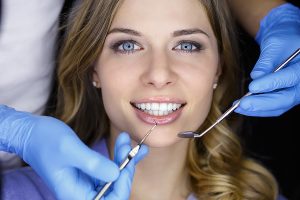


Why does affordable dental care matters? Many patients visit a dentist in Rocky Mountain House when they experience tooth pain, cavities, or gum problems, but also feel concerned about the cost of treatment. Dental care is an important part of overall health, yet it can feel stressful when finances are tight.
The good news is that there are practical and simple ways to manage dental expenses while still getting the care needed to protect teeth and gums. With the right approach, it becomes easier to maintain oral health without delaying important treatment.
What Does Affordable Dental Care Really Mean?
Patients searching for affordable dental care are usually looking for ways to reduce treatment costs without delaying important dental care. Affordable dental care near you means getting the treatment you need at a manageable cost using different support options, payment plans, or preventive care methods.
It does not mean avoiding treatment; it means finding smarter ways to plan and pay for it.
Why You Should Not Delay Dental Treatment
When you delay visiting a dentist near you, small dental problems can become bigger and more serious. A small cavity can turn into a deep infection, and mild gum irritation can become gum disease.
Delaying treatment may lead to:
- Higher treatment costs later
- More pain or discomfort
- More complex dental treatments
- Risk of losing teeth
- Emergency dental visits
Getting treatment early is often easier, less painful, and more affordable.
Practical Ways to Afford Dental Care
Several helpful options can make dental care more budget-friendly.
1. Preventive Dental Care
Preventive care helps avoid expensive treatment later on.
This includes:
- Consistent dental evaluations.
- Expert cleanings.
- Early cavity detection.
- Fluoride Applications.
Emergency treatments are usually more expensive than preventive care.
2. Payment Plans
Numerous dental offices provide payment plans to allocate the cost over time.
Advantages include.
- Lower monthly payment.
- Simplified budgeting process.
- Faster access to necessary treatment.
- Less financial pressure.
This aids in making dental care accessible.
3. Dental Insurance Support
Dental insurance can help lower the cost of common treatments.
It may include coverage for:
- Dental checkups and cleanings
- Fillings
- X-rays
- Part of the treatment costs
Knowing your insurance benefits can help reduce your own expenses.
4. Saving Money with Early Treatment
Treating dental problems early can help you save money.
For example:
- A small filling costs less than a root canal
- Early gum care can stop gum disease from getting worse.
- Fixing small issues helps avoid emergency treatments.
Getting treatment early helps prevent higher dental costs later.
5. Flexible Treatment Options
There is more than one option for a treatment depending on cost and need.
A dental expert may recommend:
- Solution ahead of complete treatment.
- Treatment plans that have been staged.
- Substitutes based on the materials budget.
This helps to balance care and cost.
Importance of Regular Checkups for Cost Savings
Routine dental visits are one of the easiest ways to manage long-term dental costs. Regular exams help identify problems early before they become serious.
Frequent checkups assist:
- Identify cavities early.
- Avoid gum disease.
- Preventing the cost of emergency treatment.
- Preserve your general mouth health.
- Lower dental costs in the future.
Preventive care costs less than emergency care.
Simple Daily Habits That Save Money
Good oral care at home helps lower dental costs.
Helpful habits include:
- Brushing your teeth two times a day
- Flossing every day
- Eating and drinking less sugary foods and drinks
- Drinking enough water
- Using fluoride toothpaste
These habits help reduce the risk of decay and gum problems.
How to Plan Dental Care on a Budget
Dental care is more affordable with planning.
Guidelines are simple to follow.
- Regular health check-ups.
- Making inquiries regarding charges.
- Evaluating payment methods.
- Emergency dental issues are given priority.
- Performing preventative care routines
Effective access planning saves from surprises.
Why Early Action Is the Best Saving Strategy
Waiting too long can make dental problems more expensive. Early treatment is usually easier, quicker, and costs less.
Taking action early helps:
- Stop small dental problems from becoming bigger ones.
- Reduce treatment complexity
- Lower overall expenses
- Improve long-term oral health.
Small steps today can prevent major costs later.
Start Your Journey Toward Budget-Friendly Dental Health!
Looking for a way to manage dental care without stretching your budget? With proper planning, preventive habits, and flexible treatment options, it is possible to reduce long-term costs while maintaining good oral health. Taking small steps early can help avoid bigger and more expensive dental problems later. Book your appointment today with Aspen Dental Clinic for personalized support and affordable dental care solutions tailored to your needs.
FAQs
What is the best way to prevent dental problems and save money?
Regular dental checkups and good daily oral hygiene are the best ways to avoid costly dental problems.
Can delaying dental treatment cost more?
Yes, delaying treatment can make small dental issues worse and lead to more expensive treatments later.
Are payment plans available for dental treatment?
Many clinics offer flexible payment options to help spread out treatment costs.
Why is preventive care cheaper than emergency care?
Preventive care stops problems early, while emergency care often requires more complex and costly treatment.