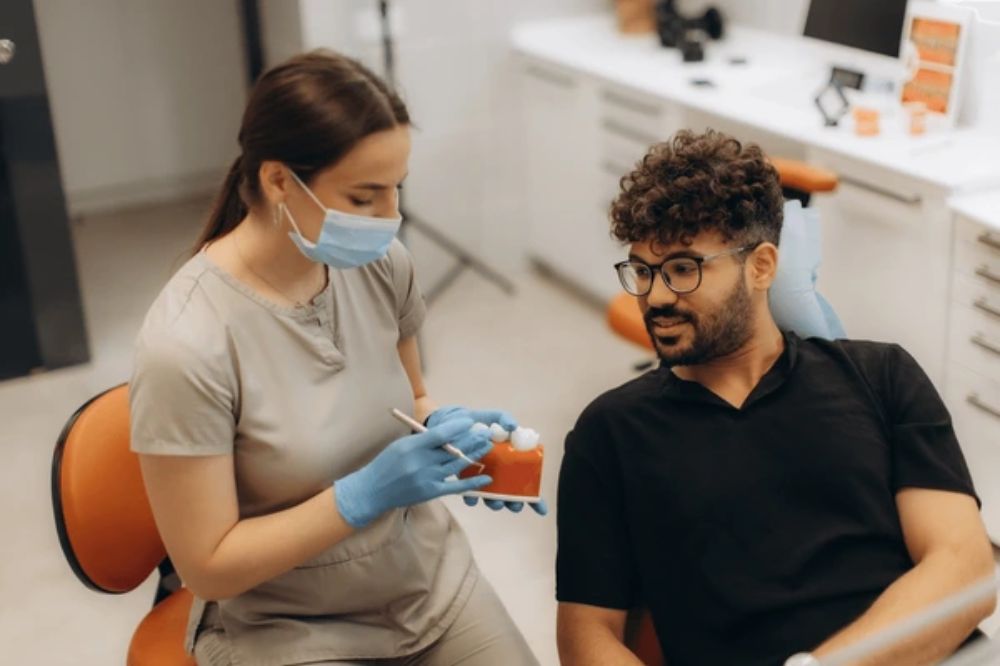
Dental crowns are often used to repair and strengthen damaged or weakened teeth. If you are looking for dental crowns in Rocky Mountain House, understanding the available options helps you make the right choices for your dental health. This guide will explain the types of crowns, the procedure, and what you can expect in terms of costs.
Why Do People Need Dental Crowns?
Dental crowns help safeguard a tooth, bring back its natural shape, and enhance its function. Some common reasons for getting a crown include:
- A tooth with a large cavity that cannot be filled with a regular filling
- Cracked, broken, or severely worn teeth
- Teeth that have undergone root canal treatment
- Cosmetic improvement of a discoloured or misshapen tooth
What are the Different Types of Dental Crowns?
Several kinds of dental crowns are available, each designed for unique dental needs. Here’s a clear breakdown:
Type of Crown | Features | Benefits | Suitable For |
Porcelain | Made from ceramic materials | Natural appearance blends with your teeth | Front teeth or visible teeth |
Porcelain-Fused-to-Metal (PFM) | Porcelain on top with metal underneath | Strong and natural-looking | Both front and back teeth |
Gold or Metal | Made from gold, palladium, or other metals | Extremely durable, long-lasting | Back teeth that endure chewing forces |
Zirconia | Made from strong ceramic | Very durable, tooth-colored | Front and back teeth need strength and appearance |
E-max (Lithium Disilicate) | High-strength ceramic | Excellent aesthetics and durability | Visible teeth needing a natural look |
How is a Tooth Crown Procedure Done?
Understanding the tooth crown procedure can help reduce anxiety and prepare you for your visit. The process usually involves:
- Initial Examination: For an initial evaluation, your dentist will look at the tooth and take X-rays to see the roots and the bone surrounding it.
- Tooth Preparation: To prepare the tooth for crowning, the dentist will cut down the top surface of the tooth so that enough space can be made for a crown.
- Impressions: A mould of your tooth is taken to create a crown that fits perfectly.
- Temporary Crown: The dentist might fit a temporary crown to cover the tooth until your permanent crown is ready.
- Permanent Crown Placement: The permanent crown is fitted, adjusted for comfort, and cemented in place.
Most procedures require two visits, but some modern clinics can offer same-day crowns.
How Much Do Dental Crowns Cost?
The material, the intricacy of the process, and where the dental clinic is located can all impact the price of a crown for your teeth. Below is a basic breakdown of dental crown costs:
- Porcelain: Medium price range. Porcelain crowns blend in with the look of the teeth.
- Porcelain-Fused-to-Metal (PFM): More expensive than porcelain but durable.
- Gold/Metal: Gold/Metal crowns will have the highest initial cost but will last for many years.
- Zirconia: Zirconia crowns fall into the medium to high price range. Zirconia is very durable.
- E-max: These crowns come at a higher cost and are chosen for their strong aesthetic appeal.
If you have dental insurance, it may affect the final cost of your crown. Be sure to review fees and payment options with your dentist.
How to Take Care of Your Dental Crowns
Maintaining crowns is much like taking care of your natural teeth. Tips include:
- Brush twice a day and floss daily
- Avoid chewing very hard foods or ice.
- Visit your dentist near you regularly for checkups to keep your crowns and overall oral health in good condition.
- Report any discomfort, looseness, or sensitivity immediately
Proper care can help your crown last for many years.
How Long Do Dental Crowns Last?
Knowing the lifespan of a crown can help you plan your dental care. Most dental crowns can last 10 to 15 years, and with proper care, some may even last 20 years or more. Factors determining the lifetime of a crown include:
- Strong daily habits like brushing and flossing
- Avoiding excessive force while chewing hard foods or grinding your teeth
- Regular dental appointments to detect problems early
Following these guidelines increases your likelihood of having a properly installed, functioning, and natural-looking tooth.
Restore Your Smile with Aspen Dental Clinic
At Aspen Dental Clinic, your time with us is meant to be easy, guided, and stress-free. Our team supports you at every step with clear explanations, thoughtful solutions, and a welcoming atmosphere for all ages. Start your path toward a stronger, confident smile—reach out to Aspen Dental Clinic today to learn which dental crown option fits your needs.