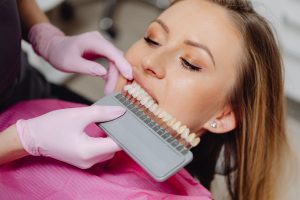


Yes, rural well water with high levels of iron or manganese can contribute to tooth discolouration. These minerals may leave reddish-brown, dark brown, or black stains on teeth over time. If your teeth have changed colour despite regular brushing, the water supply may be one factor to consider. A dentist in Rocky Mountain House, AB, can examine the stains and help determine whether they are caused by well water, food, drinks, or changes within the teeth.
The good news is that some surface stains can be removed with professional cleaning or whitening. However, whitening does not work on every type of discolouration. The right option depends on how deeply the stain has affected the tooth. Understanding the difference can help avoid treatments that may not give the expected results.
Can Well Water Cause Tooth Stains?
Yes. Well water that contains high levels of certain minerals may contribute to visible stains on teeth. Iron and manganese are two minerals that can affect water colour and leave deposits on surfaces.
Iron may cause reddish-brown or orange-brown marks, while manganese can create dark brown or black staining. These minerals may also stain sinks, laundry, and plumbing fixtures.
Iron stains on teeth from well water may develop gradually, especially when mineral-rich water is used regularly. However, not every tooth stain in a household with well water comes from the water itself. Food, drinks, tobacco, and oral hygiene habits can also affect tooth colour.
What Is the Difference Between Iron and Manganese Stains?
Both minerals can stain teeth, but the colours may be different.
- Iron: May leave orange, reddish-brown, or rust-coloured stains.
- Manganese: May leave dark brown, grey, or black stains.
The appearance alone cannot confirm which mineral is responsible. A water test can help identify the mineral levels in a private well. A dental examination can help determine whether the marks are on the tooth surface or come from within the tooth.
Can Teeth Whitening Remove Well Water Stains?
Teeth whitening may reduce some mineral-based stains, but the results depend on the type and depth of the discolouration.
Surface stains, also called extrinsic stains, affect the outer surface of the teeth. Professional cleaning may remove deposits and some surface marks. Whitening products may lighten certain remaining stains.
Deep stains form inside the tooth. They may occur due to ageing, injuries, certain medicines, or changes within the tooth. Regular teeth whitening may not remove these stains completely.
For well-water tooth stains, a dental assessment is important before choosing a treatment. Teeth whitening in Rocky Mountain House, AB, may help brighten natural teeth when the discolouration is suitable for bleaching.
Why Do Teeth Stay Yellow After Whitening?
Whitening does not produce the same results for every person. Teeth may remain yellow or uneven in colour for several reasons:
- The discolouration is deep within the tooth.
- The natural dentin beneath the enamel has a yellow tone.
- Mineral deposits or tartar remain on the teeth.
- Existing crowns, veneers, or fillings do not change colour with whitening.
- The stain type does not respond well to bleaching.
If whitening has not improved the colour, a dentist near you can examine the teeth and explain whether cleaning, whitening, or another option may be more suitable.
What Can Help Prevent Well Water Tooth Stains?
If iron or manganese is present in the water supply, reducing exposure to high mineral levels may help limit staining.
Consider these steps:
- Test the well water through a suitable water testing service.
- Discuss filtration or treatment options if mineral levels are high.
- Brush twice daily with fluoride toothpaste.
- Clean between the teeth every day.
- Schedule regular dental cleanings.
- Avoid trying acidic home remedies that may damage enamel.
Water treatment systems should be selected based on the results of a proper water test. A filter designed for one mineral may not effectively remove another.
Get Personalised Advice for Tooth Discolouration
Tooth stains can have several causes, and the right solution depends on what is changing the colour of your teeth. Aspen Dental Clinic can assess the discolouration, explain suitable cleaning or whitening options, and help you understand what results may be possible. Book an appointment to discuss your concerns and explore ways to brighten your smile.
FAQs
Can iron in well water turn teeth brown?
Yes. High iron levels in well water may leave reddish-brown or orange-brown stains on teeth. However, other things like food, drinks, and tobacco can also cause similar stains. A dental check can help find the cause.
Does manganese in drinking water make teeth black?
Manganese can leave dark brown or black deposits on surfaces exposed to mineral-rich water. It may contribute to dark staining, but a water test and dental examination are needed to understand the source.
Will whitening toothpaste remove iron or manganese stains?
Whitening toothpaste may remove some surface stains, but it may not remove heavy or deep stains. A professional dental cleaning may be needed.
How can I tell if well water is staining my teeth?
If you notice similar stains on your sinks or clothes, well water may be the cause. However, this cannot be confirmed by looking at the stains alone. Testing the water and visiting a dentist can help find the cause.